Insects for Quail: Natural Protein for Healthier Eggs
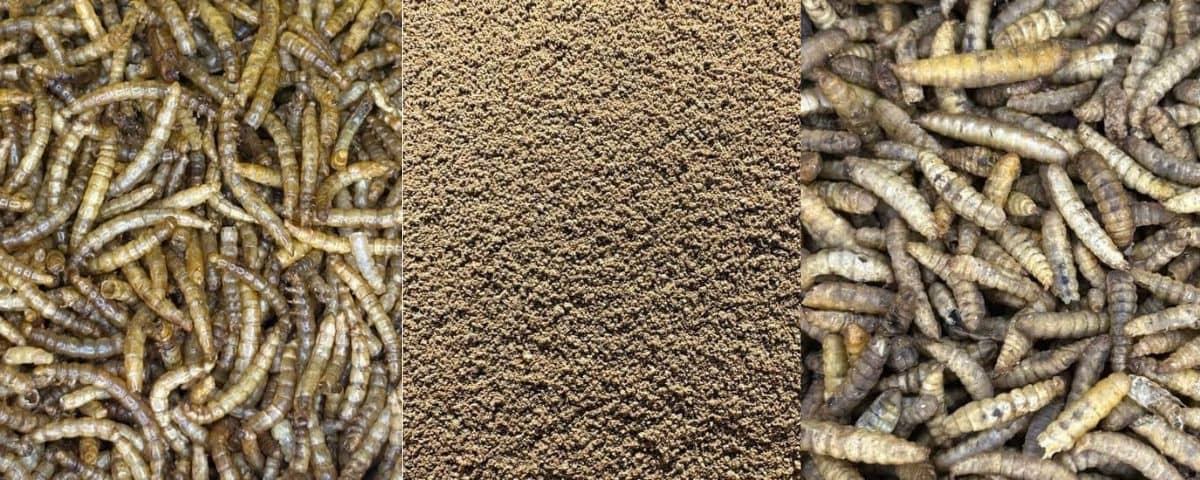
In the wild, a quail is not a vegetarian, it gets most of its protein by hunting insects. In a cage, complete feed replaces that, but more and more keepers wonder whether it makes sense to add insects on top. I went through a dozen scientific studies done directly on Japanese quail, species by species, and the answer is not a clear yes or no: which insect is best depends on the dose and on what you actually expect from feeding it.
Black Soldier Fly Larvae (BSFL, Hermetia illucens)
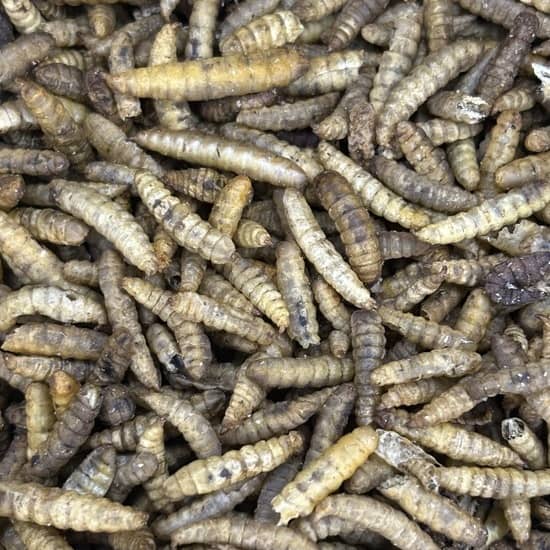
The black soldier fly is an insect whose larvae have in recent years become one of the most promising protein sources for poultry. Compared to other insects it has one clear advantage, an extremely high calcium content, which helps with eggshell strength and skeletal development.
Bigger eggs and better kidney function
In a study on laying quail with a 20 % share of larvae in the diet's dry matter, average egg weight rose from 10.71 g to 11.76 g, yolk weight increased by 10.6 % and blood creatinine levels dropped, suggesting better kidney function. The larvae were fed fresh, frozen and thawed, with 74 % water content, so that 20 % applies to the fresh weight only. Converted to dry matter, that corresponds to roughly 5 % of our dried black soldier fly larvae in the feed.
Source: PMCInsect oil improved blood lipids
Even just 1 % of specially processed larvae oil in the feed was enough to help quail use their feed more efficiently and improve their blood lipid values, total cholesterol and so-called bad LDL cholesterol both dropped. So BSFL doesn't just bring protein to the feed, but also quality fat.
Source: PMC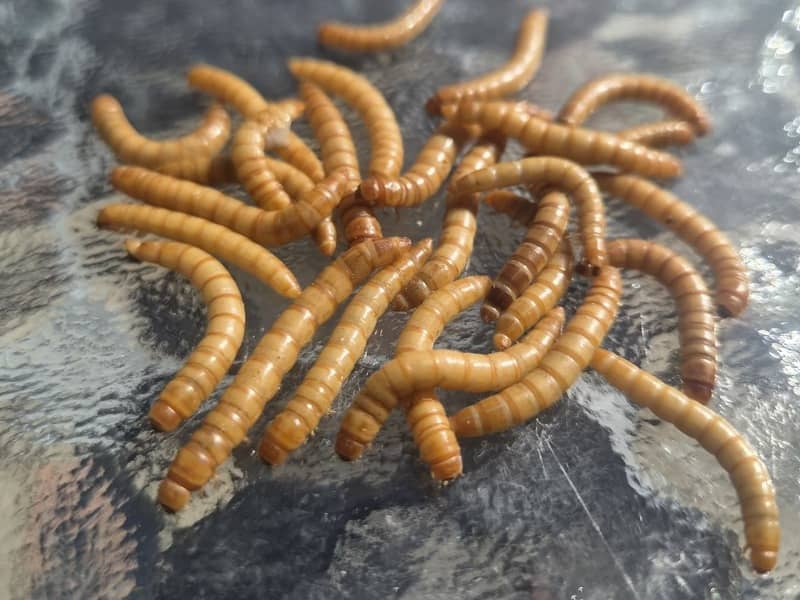
Mealworms (Tenebrio molitor)
The mealworm is a classic among insect treats, quail love it and among commonly available insects it has the highest protein share. That's exactly why it's worth knowing that its effect differs a lot depending on whether you feed it alone or combined with something else.
Live worms trigger natural behavior
When laying quail got live larvae equal to 10 % of their daily feed intake, they ate them within 2 to 5 minutes and their total feed intake rose from 43.3 g to 51.5 g per day. Quail come alive during this and naturally search for food just like they would in the wild.
Source: PMCOn its own it can actually hurt growth
In a trial where quail got only 3 % dried mealworms and nothing else, their week-5 weight gain dropped by 5.8 % compared to the control group (from 190 g to 178.9 g). Only when the same dose was combined with another suitable feed ingredient (olive leaves were used in the study) did the result turn into the best of all groups, 7.9 % higher than the control group (204.96 g). So mealworms work best as part of a balanced mix, not on their own.
Source: PMCDefatted Meal: More Protein in Less Volume
Defatted meal is insects stripped of most of their fat and ground into a fine powder. That gives it a much higher protein share per gram than whole dried insects, and it mixes easily straight into the feed blend.

Darker yolk and a stronger shell
At a 10 % share of defatted black soldier fly larvae meal in the feed, eggs had a more balanced, less elongated shape (the shape index rose from 75.3 % to 76.3 %), shell weight and share both increased, and yolk color was noticeably more intense (5.57 versus 4.99 on the color scale). Egg production did not differ significantly between groups.
Source: PMCYou don't have to hunt down defatted black soldier fly or mealworm meal online, you'll find both right in our shop.
Summary: What Insects Bring to Quail and When to Feed Them
Insects can help feed in several ways at once, from a stronger shell to better quality fat to livening up the flock. The table below shows which type to feed and when.
| Insect type | When to feed | How to feed | How often |
|---|---|---|---|
| Black soldier fly larvae | In winter and during chick growth, thanks to their higher fat and calcium content | Crush before feeding to quail | 2-3x a week |
| Mealworms | Mainly in spring and autumn, during moulting | Crush before feeding to quail | 2-3x a week |
| Defatted meal | When you want to boost the quality of both the feed and the eggs | Mix into the feed | Max. 10 % of feed |
Japanese quail breeder and founder of Cipinkovo, focused on genetics and selective breeding. I write about what I have learned over years of practice.