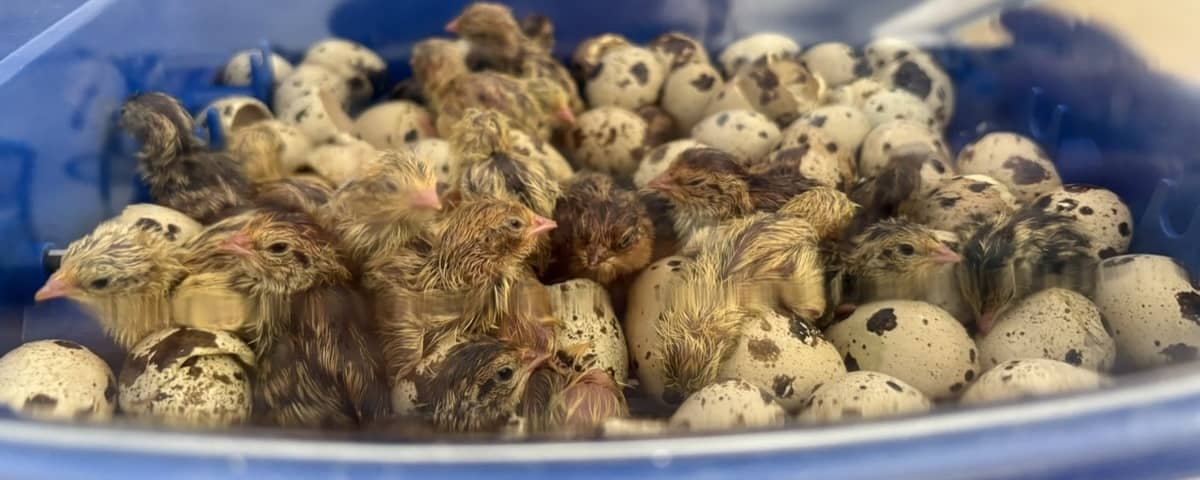
Quail Hatching Eggs - The Key to Successful Incubation
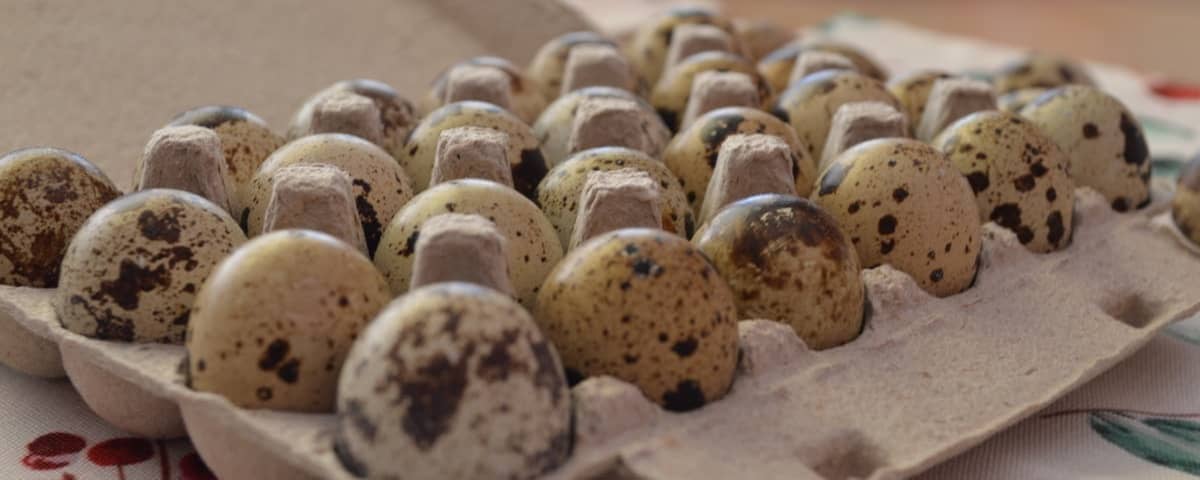
Many keepers invest in a quality incubator but forget the most important thing - the eggs themselves. The truth is, even the best incubator cannot save bad hatching eggs. Hatching success is determined before the egg ever enters the incubator. In this article, we will look at how to select the right eggs, how to store them, and what to do right before incubation.
Fertility Comes First
Before you start selecting eggs, make sure your breeding flock is set up correctly. The ideal ratio is 1 male to 4-6 females. With too many hens per rooster, fertility drops; with too few, the hens may become stressed. Males achieve the best fertility between 3 and 8 months of age, females between 3 and 12 months. On our farm, we use a 1:4 ratio and achieve the best results with this setup. Collect eggs daily - the longer they stay in the cage, the dirtier they get and the lower your chances of success.
How to Select the Right Eggs
Choose eggs of typical size and shape for the breed. Discard any that are too small, too large, or misshapen. The shell must be smooth, without cracks, calcium deposits, or thin spots. Dirty eggs are risky - bacteria can penetrate through the pores and kill the embryo. Gently wipe slightly soiled eggs with a dry cloth; heavily soiled ones should be discarded.
Never wash hatching eggs! Water removes the protective layer that shields the embryo from bacteria.
Proper Storage
At What Temperature to Store
Storage temperature decides whether the embryo inside the egg stays dormant. Below approximately 20 °C, development effectively stops; above this point, it slowly resumes even outside the incubator. The embryo then burns through part of its reserves and often dies before being placed in the incubator. Our practice and the literature agree: 12 to 18 °C is the optimum.
Effect of storage temperature on Japanese quail hatchability (source: PubMed):
| Storage temperature | Hatchability | Note |
|---|---|---|
| 7 - 8 °C (refrigerator) | Slightly lower | Risk of condensation after removal |
| 12 - 18 °C | ~88 % | Our recommended range |
| 20 °C | Slightly lower | Room temperature, acceptable short-term |
| 28 °C | ~71 % | Up to 6 days, drops to near 0 % afterwards |
| Above 30 °C | Dramatic decline | Embryo prematurely depletes reserves |
How Long to Store
Ideally, store eggs for a maximum of 14 days - with each additional day, the chances of successful hatching decrease. We try to set eggs within 7 days of laying. If you don't have enough eggs to fill the incubator, collect gradually and store according to the rules above. Never store eggs in a refrigerator - the temperature is too low and the air too dry.
Results of a scientific study on Japanese quail egg storage (source: PMC):
| Storage duration | Hatchability | Note |
|---|---|---|
| Up to 7 days | Best | Our recommended period |
| 14 days | Slight decline | |
| 21 days | 55 % | Noticeable decline |
| 28 days | 53 % | Still acceptable |
| 35 days | 25 % | Dramatic drop |
Before Placing Eggs in the Incubator
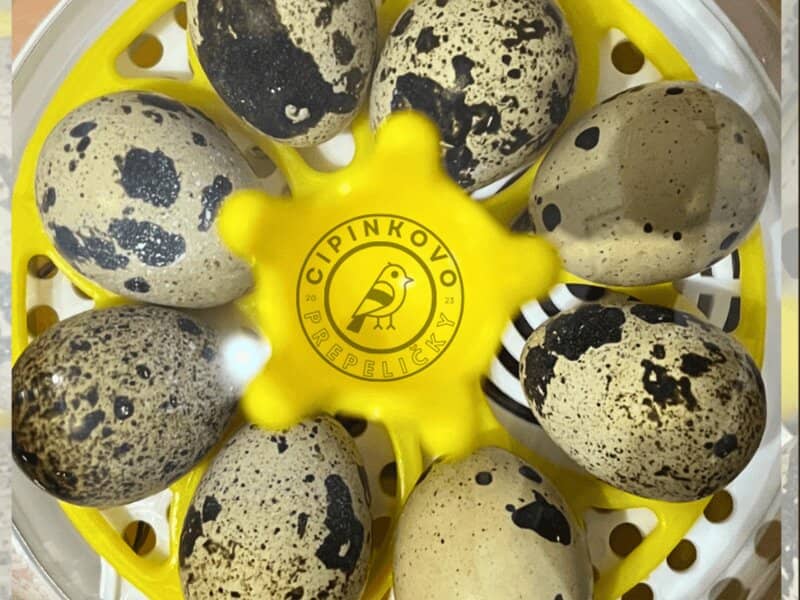
Before incubation, let the eggs warm up to room temperature. A sudden temperature change can cause condensation on the egg surface, increasing the risk of bacterial infection. Do a final visual check - discard any eggs that cracked during storage or became further soiled.
If you buy hatching eggs by post, let them rest pointed end down after delivery. The air cell needs to settle after the shaking during transport. Always order more eggs than the number of chicks you want - expect around 50% hatchability with shipped eggs.
Want to be sure you're putting the best eggs into your incubator? Order them directly from us. We'll take care of selection, storage, and preparation for you.
View hatching eggsJapanese quail breeder and founder of Cipinkovo, focused on genetics and selective breeding. I write about what I have learned over years of practice.